
Greg Orrock

Operations · Commercial · Maritime
Greg Orrock
10 years
Operations at sea
5 years
Startup leadership
Up to 40
Largest team led
$20M+
Annual vessel budget

Yacht operations

Runs in the browser

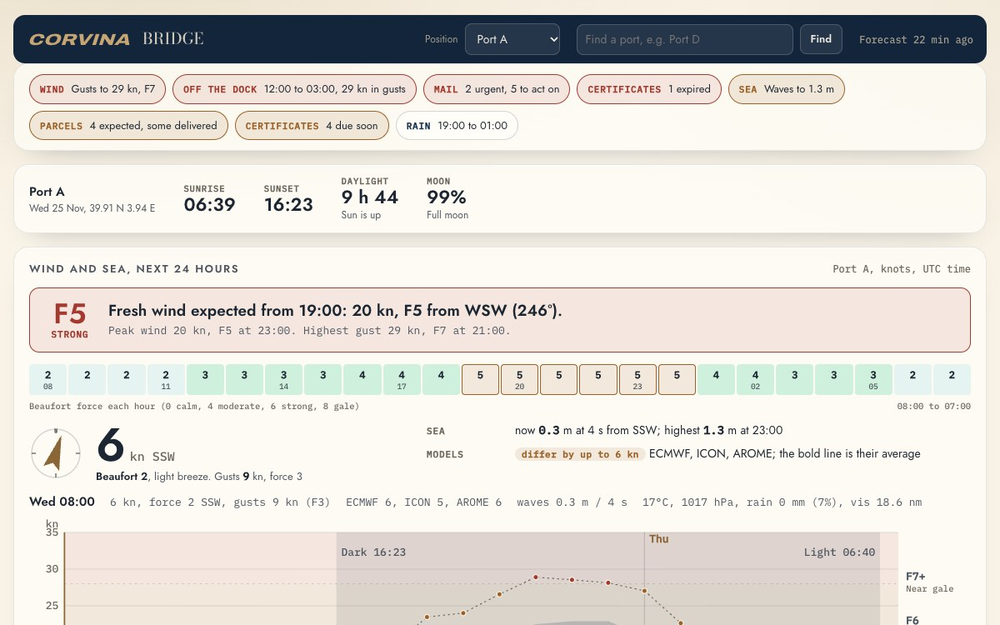
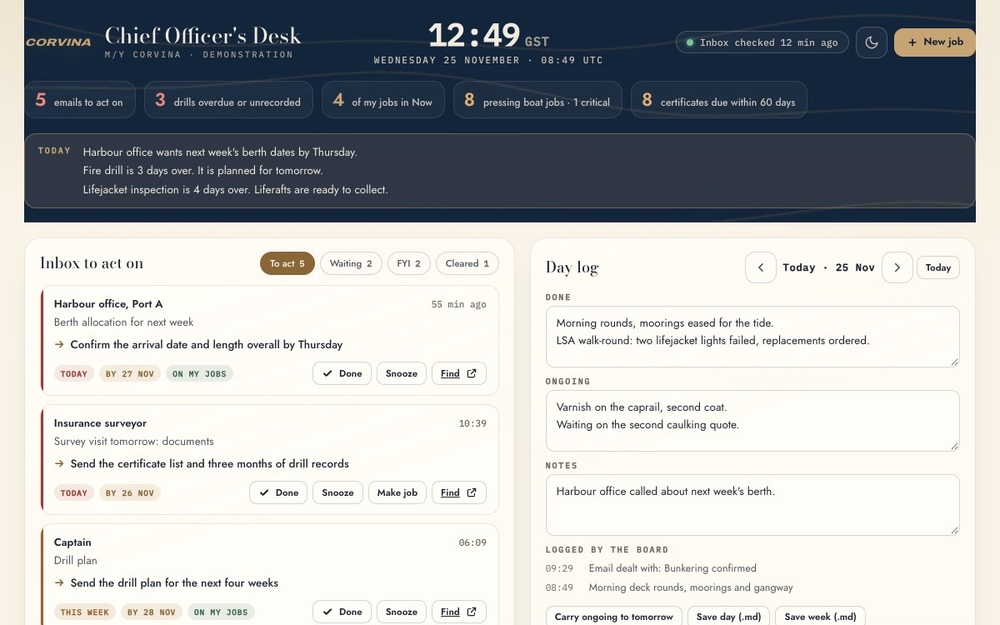
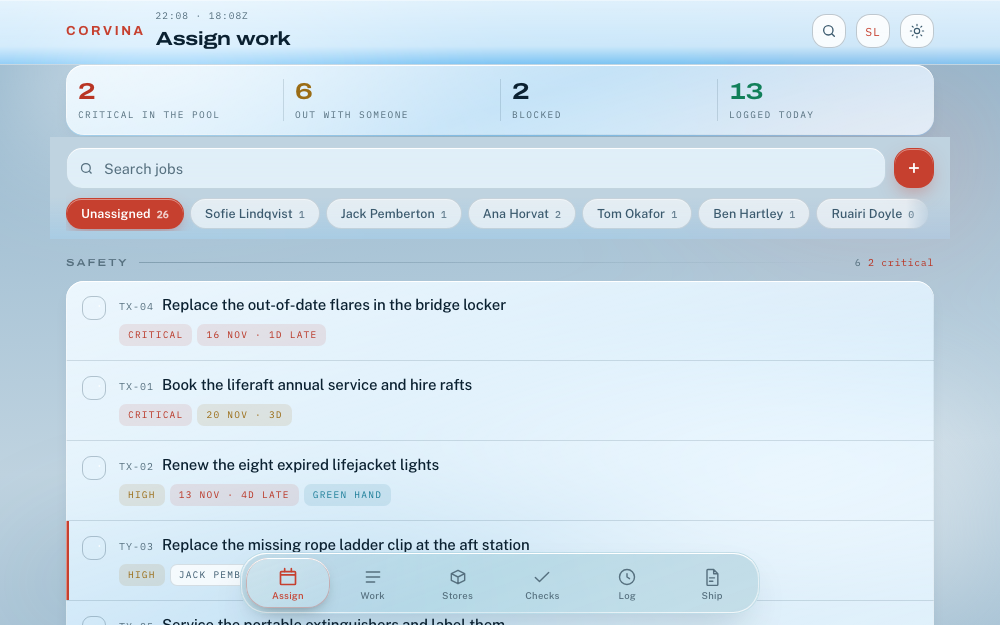
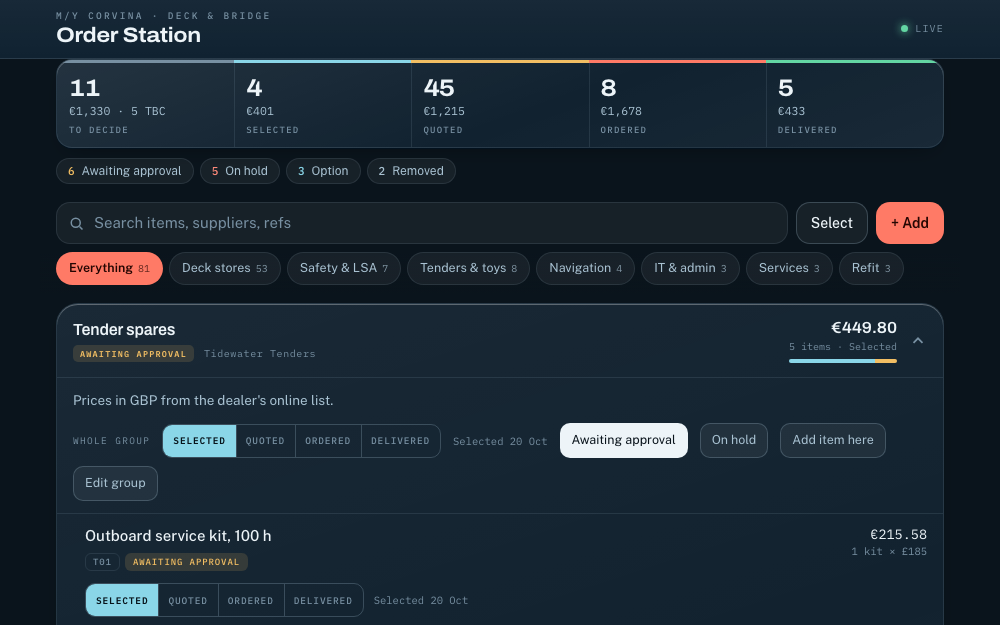
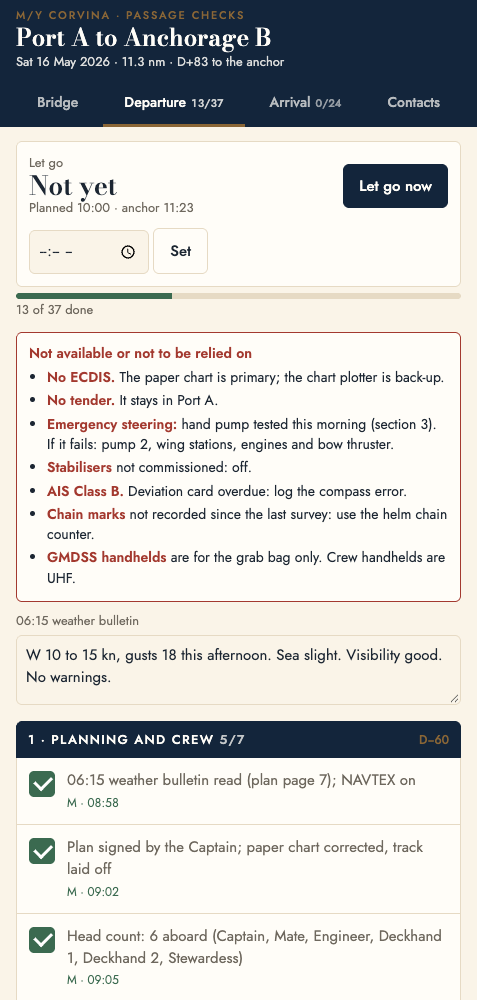
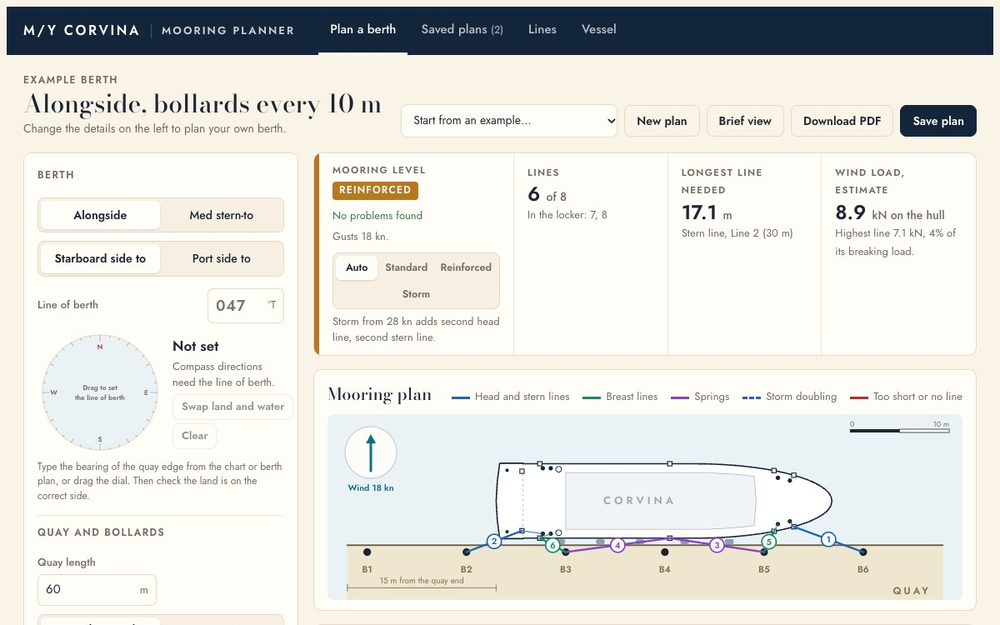
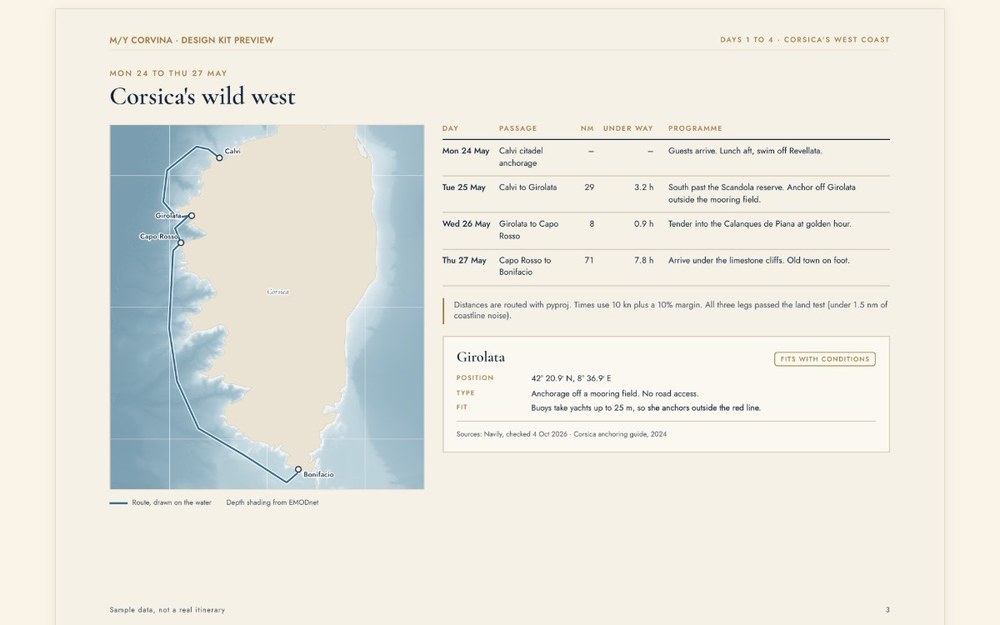
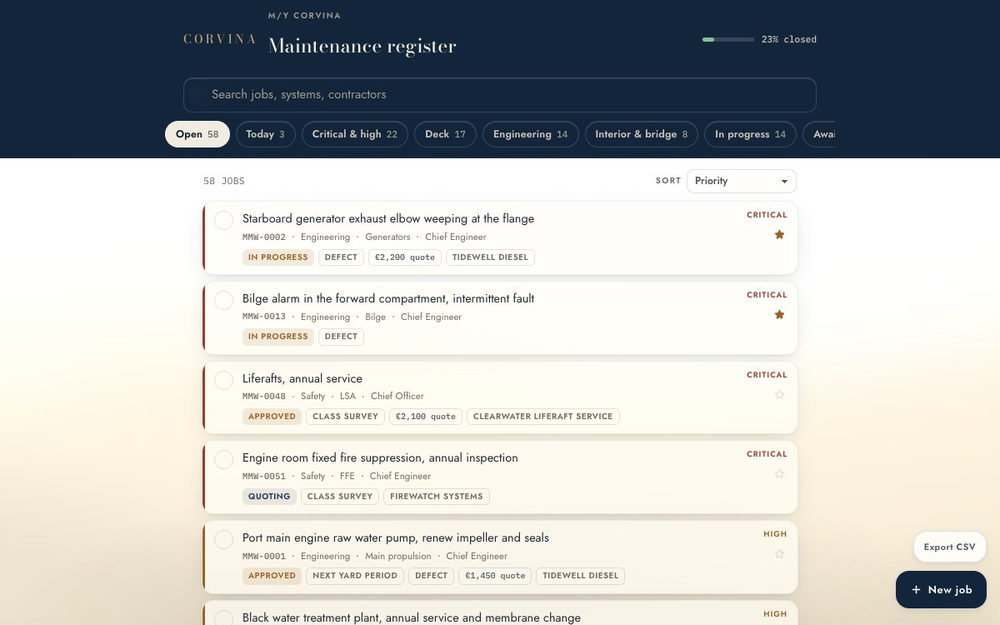
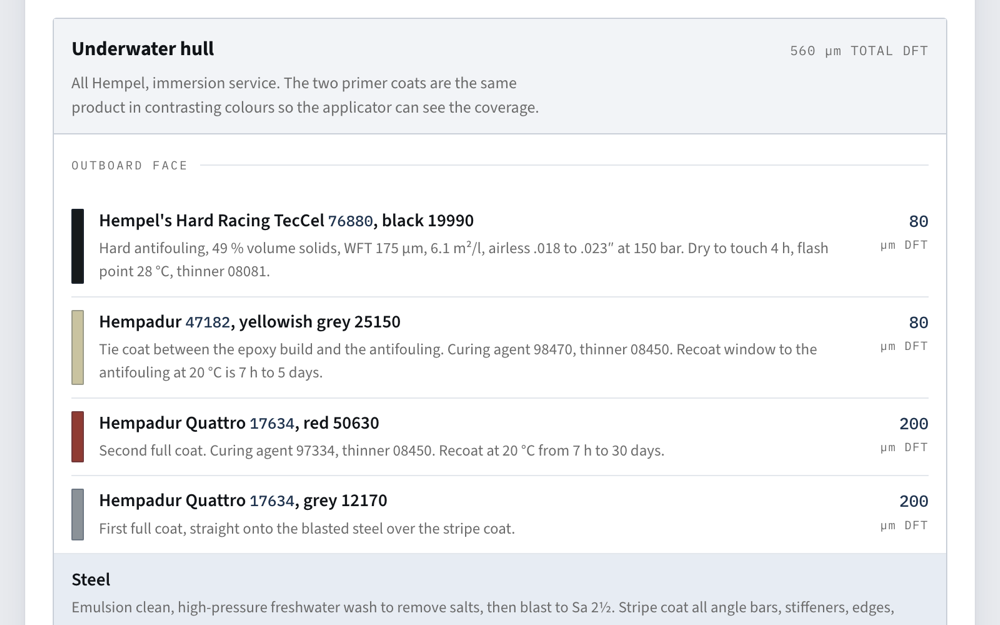
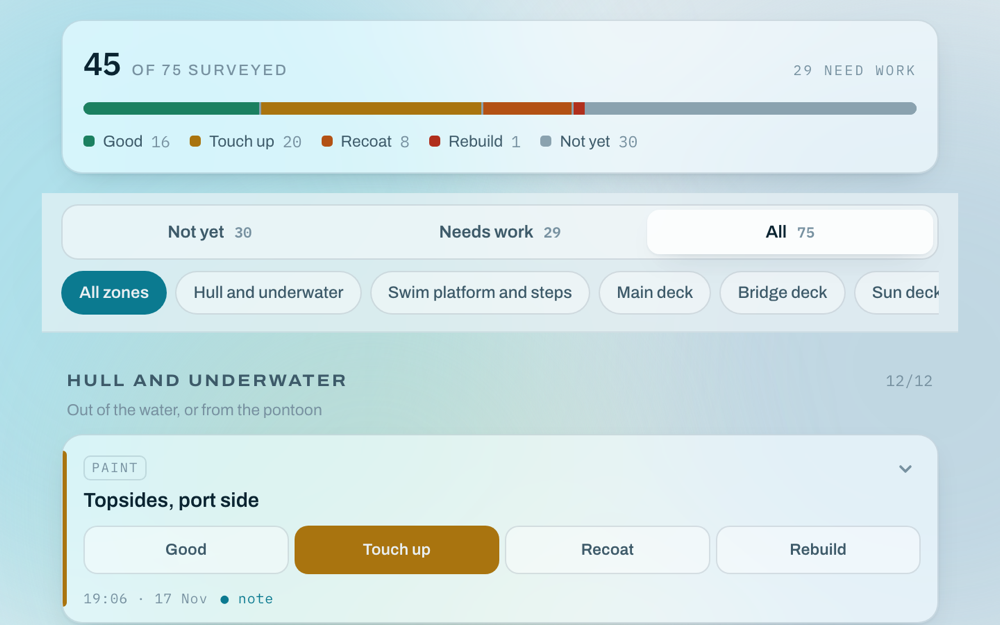
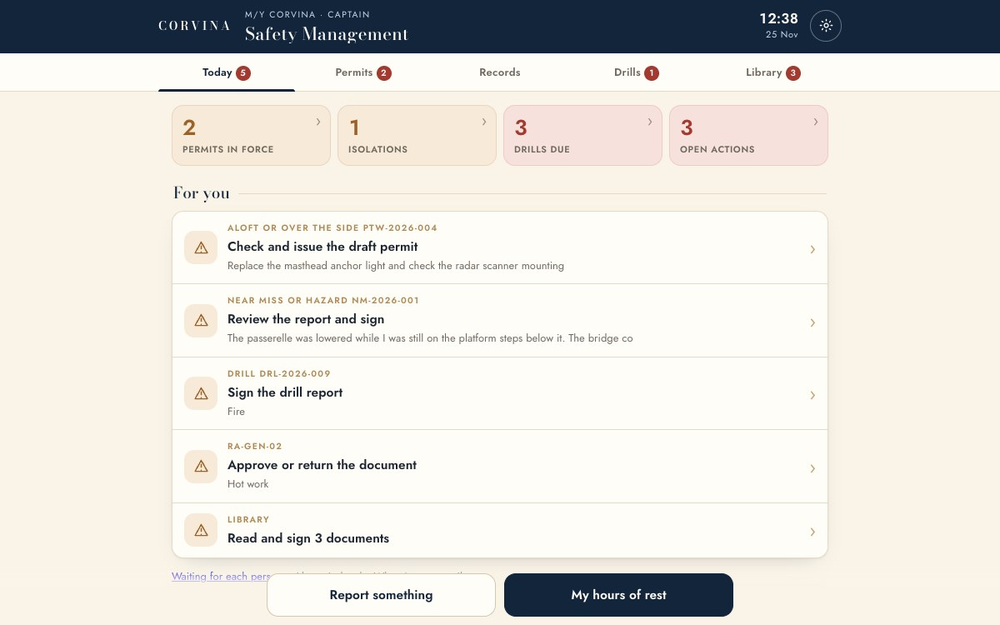
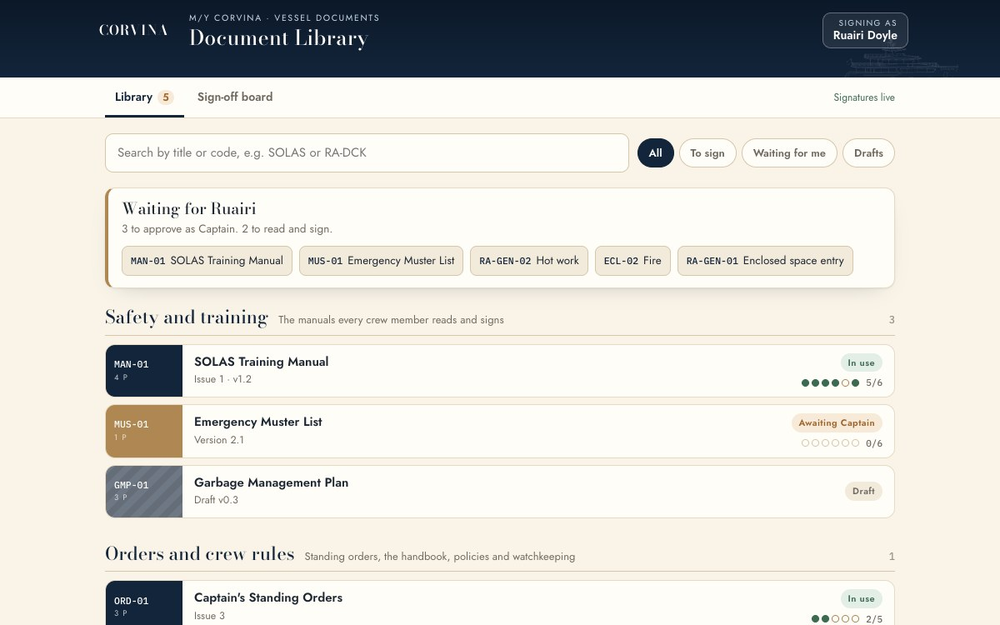
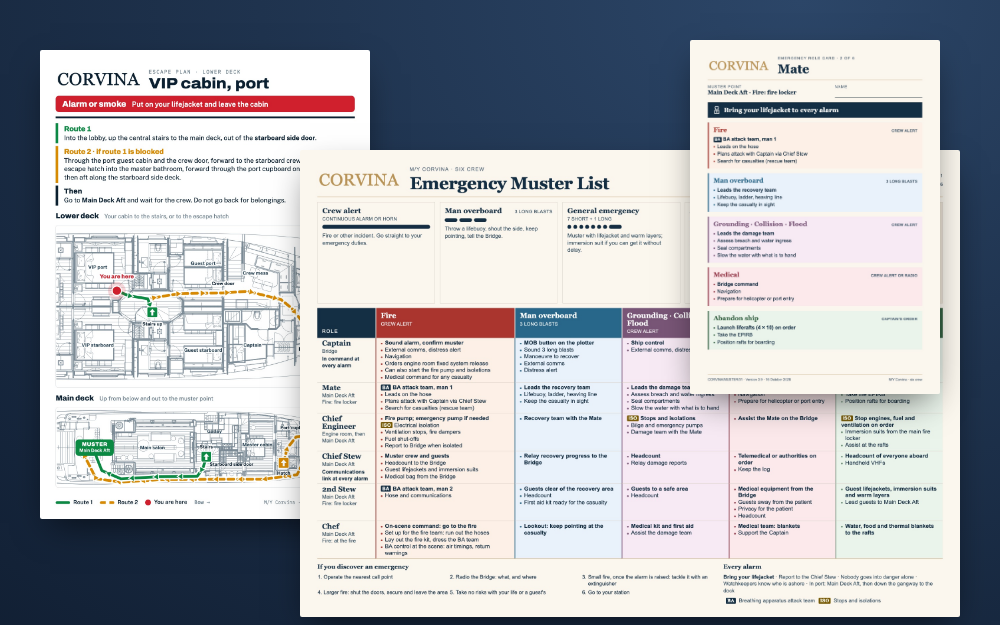
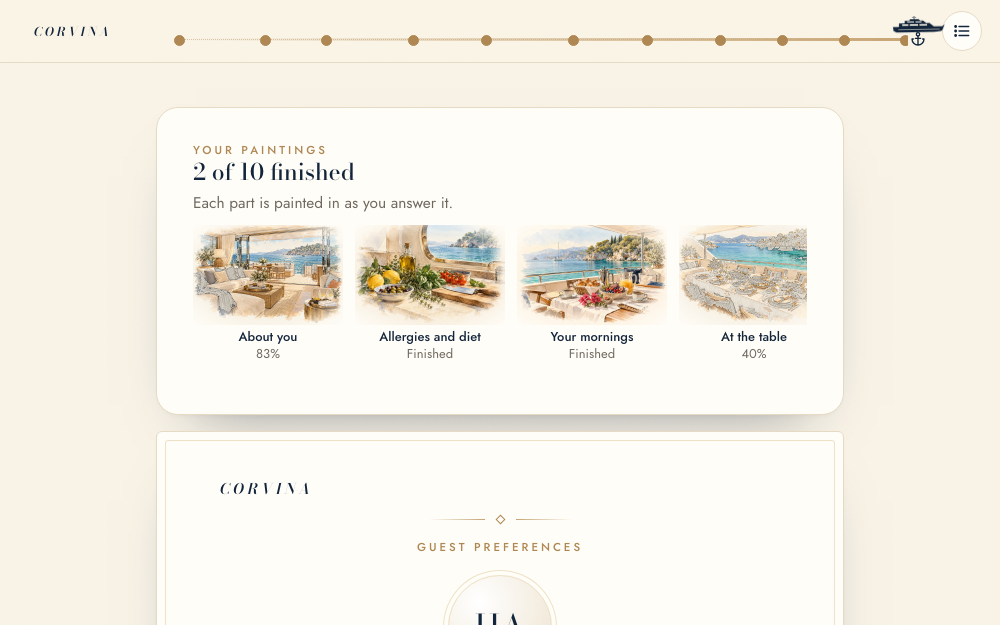
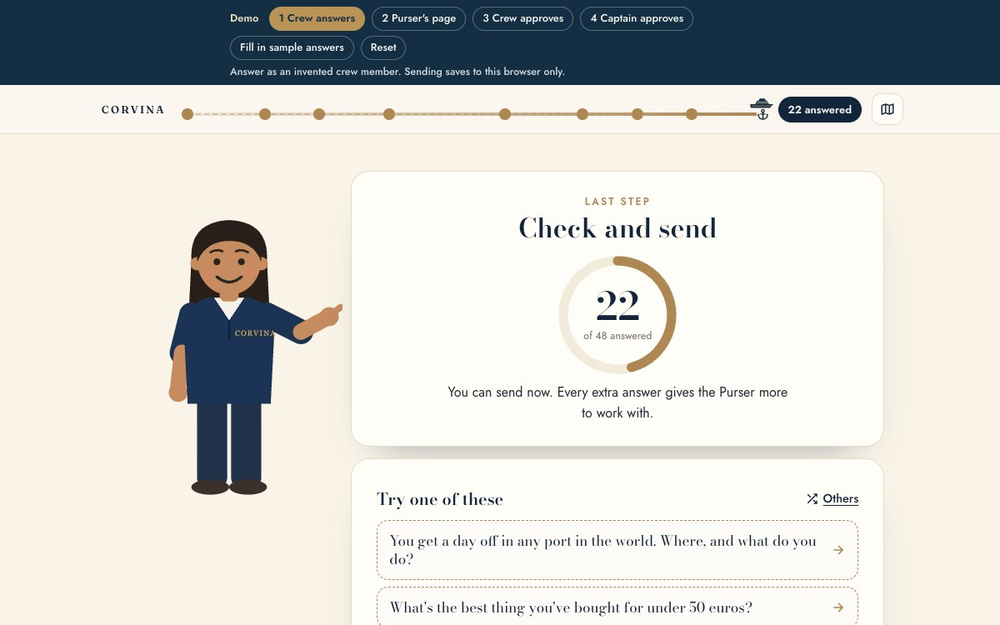
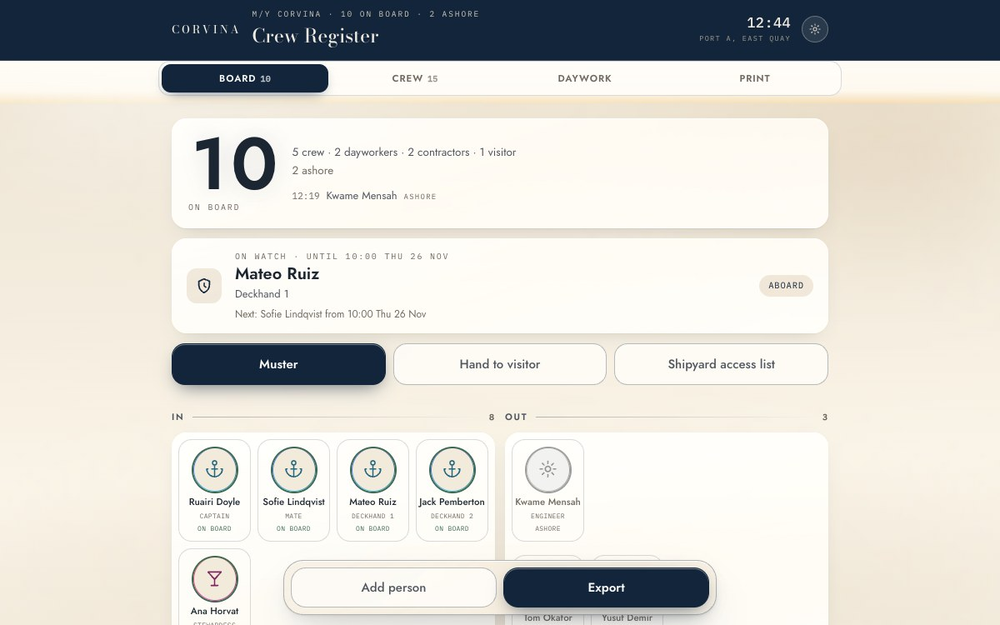
Built during a refit and delivery season in 2026 as Chief Mate on a 34 m commercially registered yacht. Each tool replaced a paper routine on board. The vessel, crew and places in the demos are invented.

Running the boat

Navigation and deck

Maintenance and paint

Safety

Crew and guests

Tools you can open

Runs in the browser
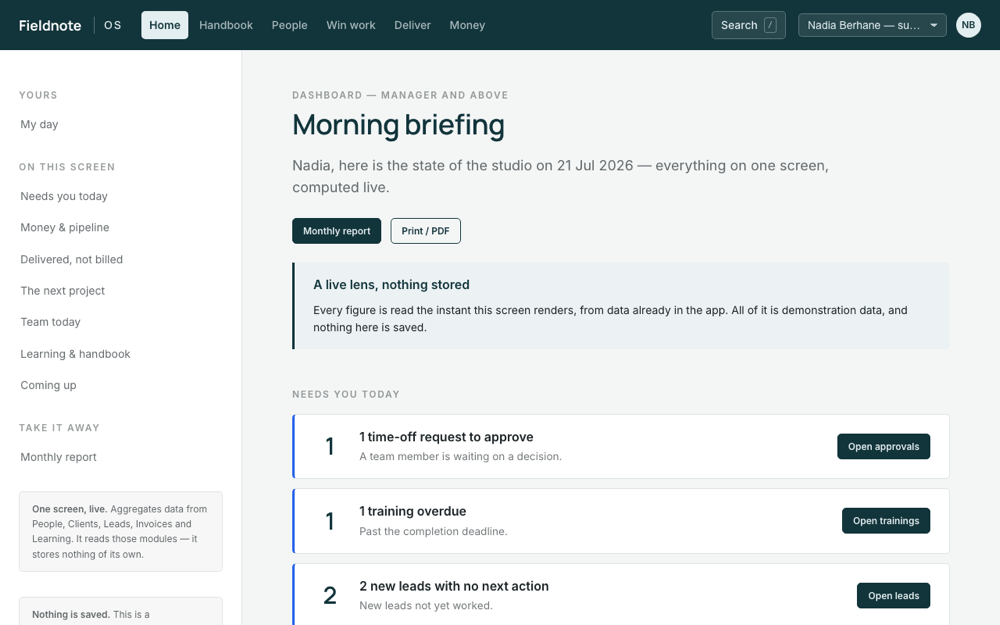
Studio operating system morning briefing
Operations

Studio operating system

Runs a design studio from one file, from the first quote to the final invoice. Each morning it lists what needs a decision today.

Built for the design studio where I work part-time, to replace a paid project tool. The studio, people, prices and handbook in the demo are invented.

Open demo →
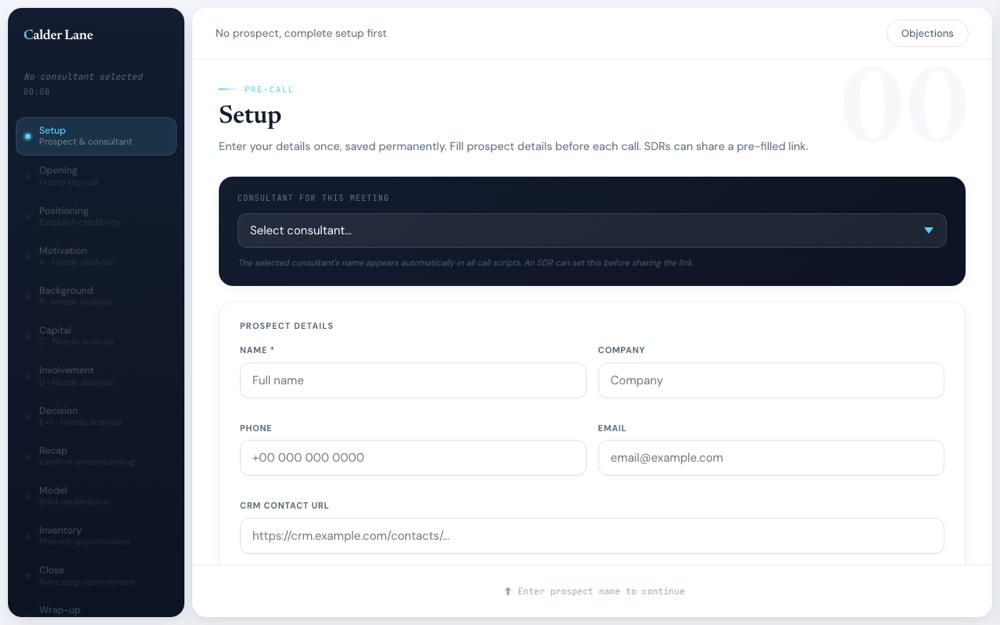
Call companion setup screen
Sales

Discovery call companion

Runs a first meeting with a buyer in 13 stages, from setup to the agreed next step. It holds the objection answers and writes the call brief at the end.

Built at an e-commerce acquisitions firm in Dubai, where I closed $1.5M in deal value across the portfolio. The firm, team and brands in the demo are invented.

Open demo →
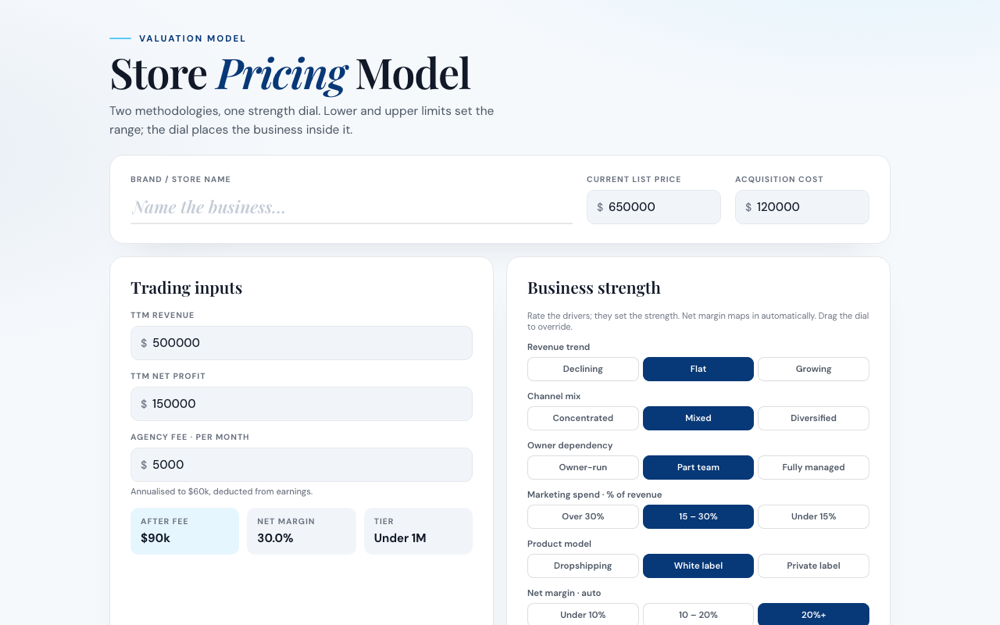
Store pricing model
Valuation

Store pricing model

Prices an online store by two methods and places it inside the range with a strength score. Exports a one-page valuation summary as a PDF.

Used to set and defend asking prices. The figures loaded are generic defaults.

Open demo →
Brand picker
Brand

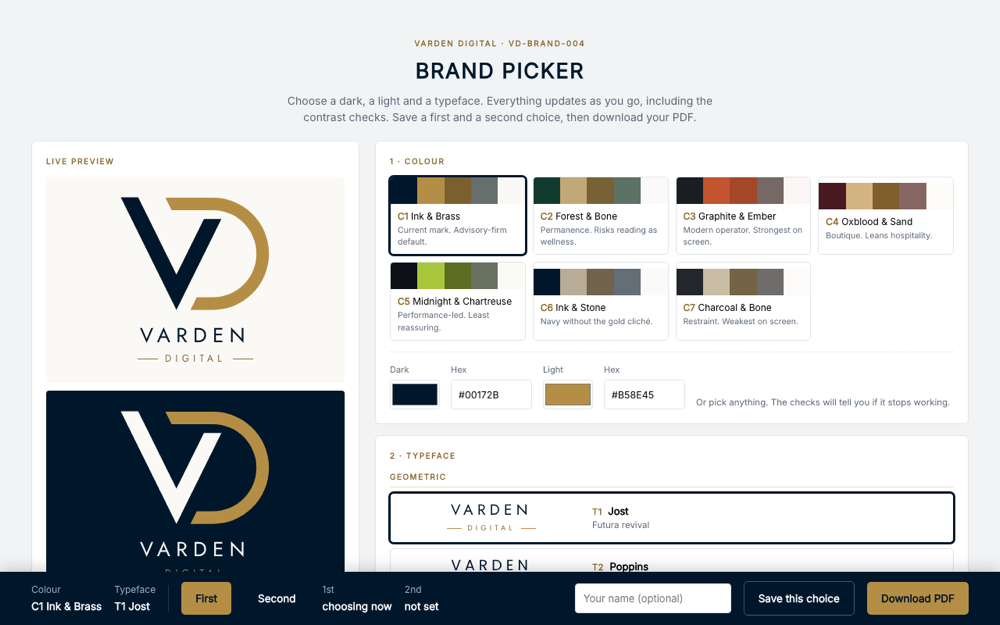
Brand picker

Seven palettes and 21 typefaces on a live preview of the mark, with colour contrast checked as you choose. Saves a first and second choice to a PDF.

Built to settle the brand for a company I co-founded. The name in the demo is invented.

Open demo →
Baby tracker Today screen
Product

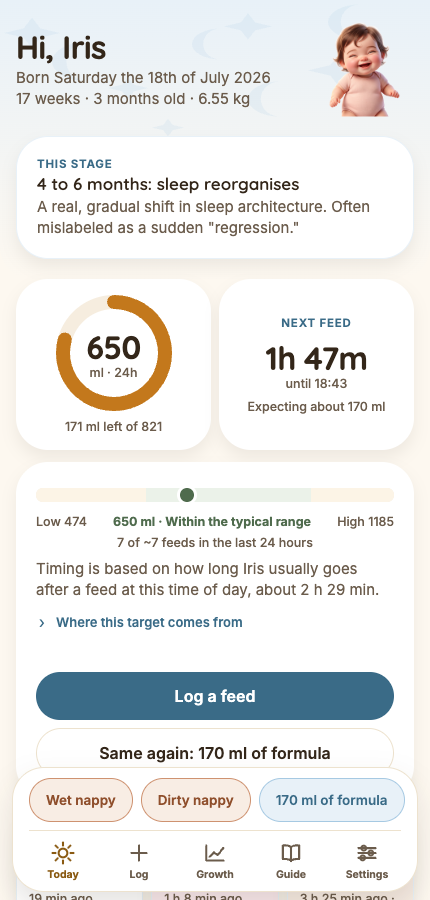
Baby tracker app

Logs feeds, sleep, nappies and growth, and sets each feed target from the baby's weight and feeding type. Growth is plotted against WHO percentiles, and every health claim names its source.

One codebase for iOS, Android and web, with no account and no server. Not yet on the app stores. The baby in the demo is invented.

Open demo →
Investor portal for a consumer brand sale
Deals

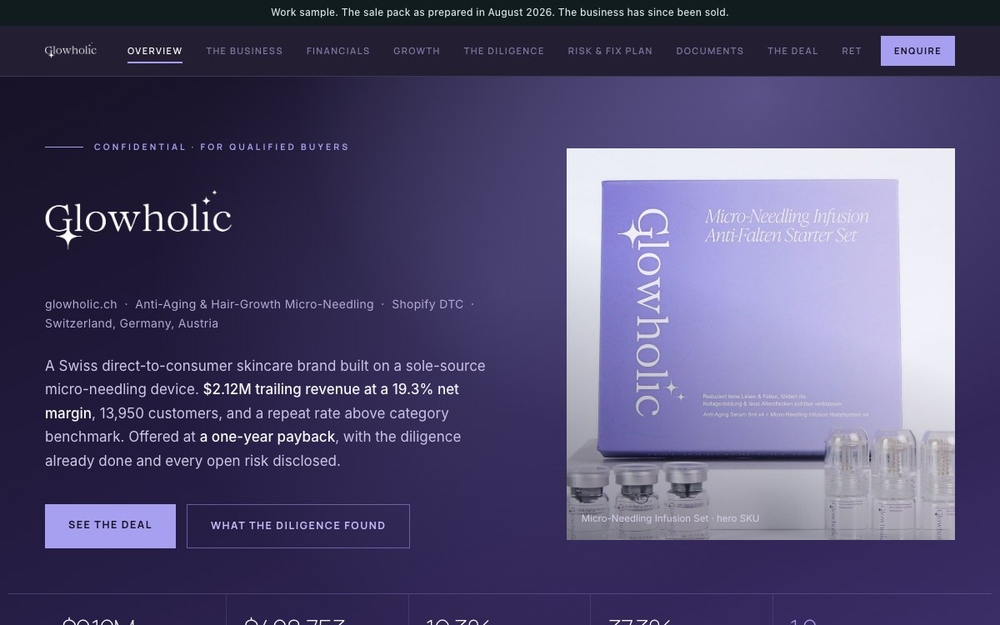
Sell-side investor pack

The pack for selling an online brand: an investor portal, a one-page summary and a risk register. Every open risk is listed with a suggested fix, and the price is set on the lower of two profit figures.

The real pack I prepared for the sale of a Swiss skincare brand, shown now that the business has sold. The adviser's name is removed.

Open demo →
3D walkthrough of a two-bedroom flat
3D

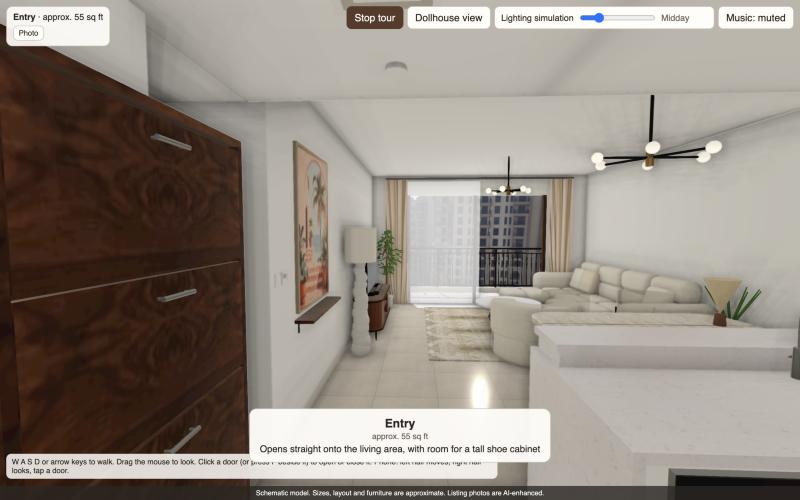
Flat walkthrough

A guided 3D tour of a two-bedroom flat in the browser. Walk the rooms, switch to a dollhouse view, move the furniture and open the listing photo for each room.

Built from phone photos and a measured layout to let my flat out. Sizes are approximate and the photos are AI-enhanced.

Open demo →
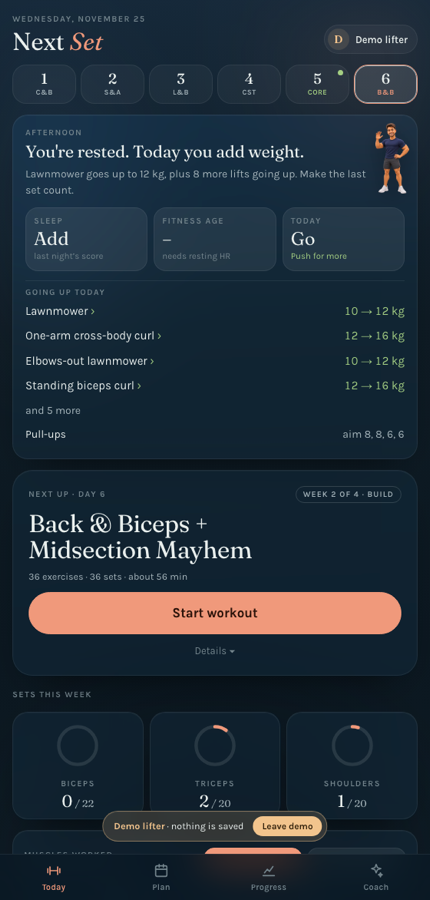
Next Set workout app Today screen
Side project

Next Set workout app

A phone app that runs a gym session one set at a time, with a demonstration of each move and a timed rest between sets. It raises the weights from what was logged and shows which muscles have been worked or have recovered.

Built for my own training. The demo opens on an invented lifter with five weeks of made-up sessions and saves nothing. The AI coach only runs in the full app.

Open demo →

Case studies

Method and numbers
Fundraising

Making pitch claims survive due diligence

Two early-stage companies were preparing to raise: a fintech linking business software to bank payments, and a film-production technology platform. Both decks carried claims an investor's diligence team would test, and some would not have held.

I listed every claim in each deck and rated it Supported, Supported with wording changes, or Unsupported. For each one that needed work I wrote approved wording with its sources, plus a note on what not to say. The fintech pack covered eight claim areas from public sources. For the platform I sized the market from the bottom up, starting from the feature films made each year and pricing only the share of production cost the product replaces. Where a number did not exist yet, the documents say INPUT REQUIRED.

Every core fintech claim could be supported once its wording was corrected. The platform was repositioned around a single entry product, and on my recommendation the round was raised from £0.4M to £0.5M so it covered the plan. I then wrote the method up as a five-step playbook for later engagements.

Data

Finding businesses to buy in the UK register

For an acquisition venture I co-founded, we needed owner-run UK businesses that were not already for sale through brokers.

I wrote Python scripts that screen the full Companies House register, then use the free register of people with significant control to drop subsidiaries and read each owner's age, which signals succession. The results are merged and ranked into a call list.

5,695,465 registered companies cut to 10,498 candidates, then to a call list of 2,081 businesses.

Quality control

Stopping wrong figures before documents go out

I write a lot of tailored documents from one career record. A figure corrected in one file had not reached documents built from another, and checks done by reading had missed errors twice.

I moved every fact, figure and banned phrasing into one machine-readable file. A script checks each document against it before sending and blocks anything that fails. A decisions log records the incident behind each rule, so a fixed error is not brought back later.

The first time one pattern was tightened, it found 14 live errors across five documents that had passed a check that morning.

Documents

Written for the vessel

How these were built

I build with AI coding tools. The process each tool follows comes from doing the job myself. Every demo here runs on invented data, and client names have been removed.